


Local Single: Chat & Friends
4.55.36K Reviews
App Specs
- Version
- 1.3.0
- Updated On
- License
- Free
- Downloads
- 500,000+
- Developer
- Local Single
- Categories
- Social
- Platform
- Android
Screenshots
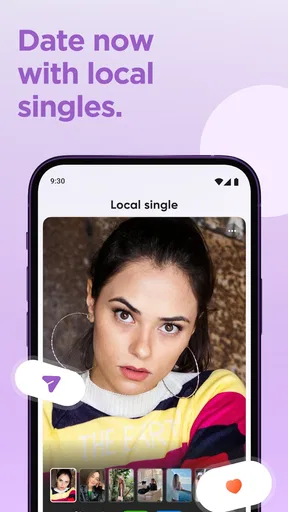
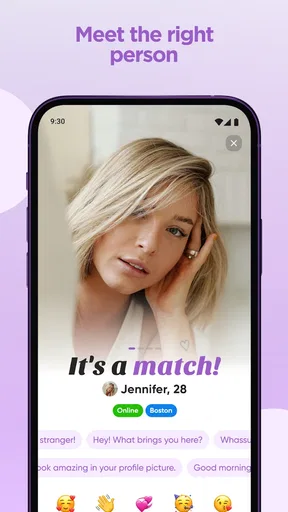
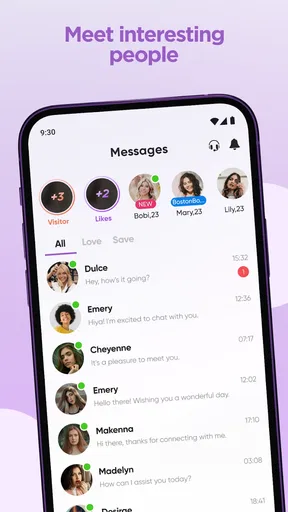
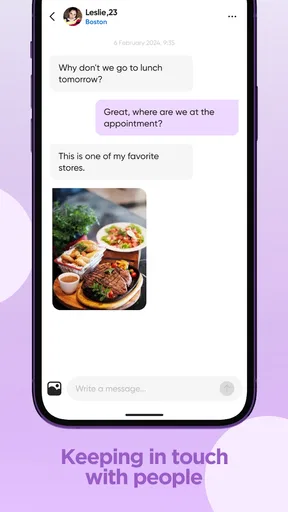
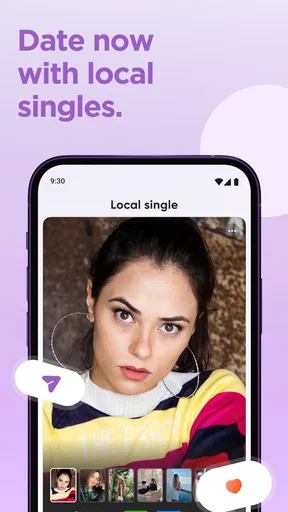
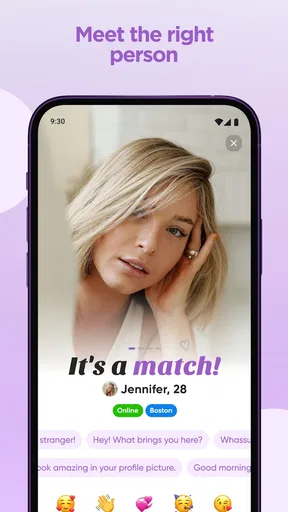
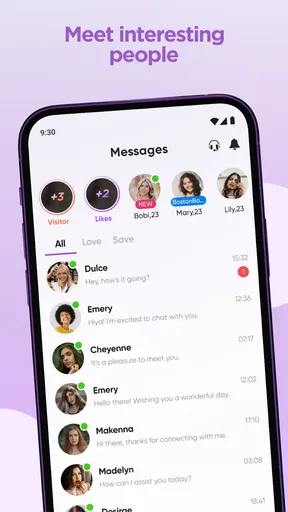
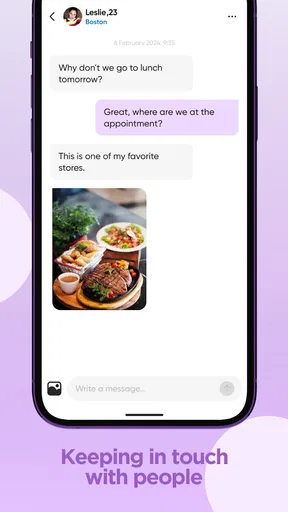
 Analysis by AppCompare
I approached Local Single: Chat & Friends as a social app for meeting people nearby rather than as another general-purpose messaging service. Its purpose is easy to understand: help local users start conversations and build friendships. In practice, that focus makes it more appealing than a broad social network when you want interactions connected to your area, but it also means the experience depends heavily on how active and compatible the nearby community is.
The app is developed by Local Single and is available for free, with optional in-app purchases ranging from $3.99 to $99.99 per item. That distinction matters. You can try the basic experience without paying, while any extra value attached to purchases should be judged after you understand how useful the free version is for your own location and social goals. The app is rated Mature 17+, so I would not treat it as a casual service for younger users.
How the free starting point shapes the experience
The first thing I would tell a friend is not to confuse “free” with “effortless.” The lack of an upfront price makes Local Single easy to test, but finding worthwhile conversations still takes time, patience, and a sensible approach to personal information. A free entry point is valuable here because local social apps can feel very different from one town or neighborhood to another. Before considering any purchase, I would spend enough time checking whether the people appearing in the app match what I am looking for.
The app has built a noticeable audience, with more than 500,000 installs and an average rating of 4.5 from around 52,000 ratings. Those figures suggest that it has reached a meaningful number of users, but they do not guarantee the same level of activity everywhere. A large overall audience can still feel small if few people near you are active, responsive, or interested in friendship rather than quick chats.
That is why the free access is more than a pricing convenience. It gives you a chance to test the most important question: does this app produce useful local conversations for me? I would judge it by the quality and relevance of interactions, not simply by how many profiles or messages appear. If the nearby pool feels suitable, optional spending may be easier to justify. If it feels repetitive or quiet, paying is unlikely to solve the underlying mismatch.
There is also a practical point about the advertised purchase range. A lower-priced item may feel reasonable for experimentation, while an item near the top of the range deserves much more caution. Since the app can be used without an upfront payment, I would avoid buying anything during the first session. Use the free experience to understand the rhythm of the community, the type of conversations people start, and whether you can comfortably use the app without feeling pressured to spend.
What I would check before spending
My first test would be simple: complete only the information I am comfortable sharing, look through the local activity available to me, and see whether conversations develop naturally. I would not rush to make a profile more revealing just to attract attention. In a local social app, details that seem harmless in isolation can become identifying when combined, especially if they reveal a routine, workplace, or very specific area.
Worth Reading Before You Choose

EA SPORTS FC Mobile 26 Is a Bigger Football Game, but It Takes Time

Flipboard Shows What News Apps Must Do Beyond the Feed

Switching to Android Auto Means Rethinking Your Driving Routine

Google Calendar Makes a Crowded Week Easier to Manage

Ludo King Makes the Most of the Minutes Between Plans

Baby Panda World Brings Quick Play to Modern Phones, but Its Game Library Feels Busy
I would also pay attention to how much work is required from me. An app can show nearby people, but it cannot create genuine compatibility. If every promising conversation depends on sending many similar opening messages, the time cost may outweigh the convenience of local discovery. Conversely, if the app helps me find people with shared interests or nearby social goals without endless browsing, the free version may already provide meaningful value.
A useful habit is to define the outcome I want before opening the app. “I want to meet new friends,” “I want someone to chat with after moving,” and “I want local activity partners” are different goals. The clearer the goal, the easier it is to recognize whether a conversation is progressing or merely filling time. This is one of the less obvious trade-offs of a location-oriented social service: proximity can make contact feel relevant, but it does not automatically make the relationship worthwhile.
Where the app can deliver real value
Local Single makes the most sense for people whose social circle has changed. Someone who has moved to a new city, works remotely, studies away from home, or simply wants to meet people outside an established group may appreciate a service organized around local connections. The app’s narrow purpose is its main advantage over a large social network, where nearby friendship opportunities can be buried among entertainment, public posts, and existing contacts.
I can also see value for someone who prefers a gradual start. Text conversation lets you learn whether another person is respectful, responsive, and genuinely interested before arranging anything offline. That does not remove the need for caution, but it can make the first step less intimidating than walking into a group event alone. For a person who feels socially rusty, a few low-pressure conversations may be a better beginning than trying to become instantly outgoing.
The strongest use case is probably not “find as many people as possible.” It is “find a small number of plausible local connections and filter thoughtfully.” That approach saves time and avoids treating conversations like a popularity contest. I would rather have a couple of exchanges that reveal shared interests and compatible communication styles than collect a long list of inactive contacts.
A realistic everyday scenario would be a person who has recently moved and spends most evenings at home. Instead of using a general network to announce the move to everyone they already know, they could use this app to look for local conversations, introduce themselves honestly, and mention the kinds of friendships they hope to make. If one exchange becomes comfortable, the next step could be a short meeting in a busy public place, with a friend informed beforehand. The app can help with discovery; the user still has to manage expectations and safety.
Another useful workflow is to treat the app as a conversation filter rather than a replacement for real-world social life. I would start with a few thoughtful messages, notice whether replies show genuine engagement, and move on from conversations that remain vague, demanding, or one-sided. This prevents the common mistake of investing too much emotional energy in a contact simply because the person is nearby.
How it compares with familiar alternatives
Compared with broad social networks, Local Single offers a more direct local-social purpose. General platforms are better when you want updates from people you already know, public communities, or a wide range of media. They may also provide more established ways to follow interests. The trade-off is that finding a new nearby friend can require more searching and more interpretation.
Compared with event platforms or local community groups, this app appears more personal and conversation-led. Event services are usually stronger when you already know the activity you want: a class, a run, a language exchange, or a public meetup. Local Single is potentially better for the earlier stage, when you know you want connection but do not yet have a specific event in mind. If your main goal is joining organized activities, an event-focused alternative may be more efficient.
Compared with dating-oriented services, the friendship framing is important. Someone who wants romantic matching may find a dedicated dating app clearer and less ambiguous. Someone who wants platonic connections may prefer not to navigate assumptions that often come with dating platforms. Still, users should communicate their intentions plainly, because the same conversation can be interpreted differently by different people.
Messaging apps remain better once you already know someone. They are designed for continuing a relationship, not necessarily for discovering local strangers. Local Single occupies the earlier part of that journey: finding possible connections and deciding whether a conversation deserves to continue elsewhere. I would not expect it to replace the messaging tools I already use with established friends.
Trade-offs I noticed before recommending it
The biggest limitation is the local-network effect. The app’s usefulness can vary considerably depending on your area, age group, interests, and the activity of nearby users. A strong overall install figure does not tell me whether my own neighborhood will feel lively. This is why trying the free version first is essential, not merely sensible.
There is also a quality-control trade-off in any service that encourages contact between people who may not know each other. More opportunities can mean more unhelpful introductions, mismatched expectations, or conversations that end without explanation. I would not interpret silence as a personal failure, and I would avoid spending money in response to frustration. Paid access cannot manufacture trust or mutual interest.
The Mature 17+ rating is another reason to approach the app deliberately. It signals that the service is intended for adults, and I would keep conversations within my comfort zone rather than assuming every local contact has the same intentions. I would never share a home address, financial details, travel plans, or identifying routine early in a conversation. For a first meeting, public surroundings and an independent way home are basic precautions.
Privacy is not only about what the app displays. It is also about what I choose to reveal through conversation. A profile that mentions a very specific workplace, daily schedule, and nearby landmark can make a person easier to identify than intended. My practical advice is to begin with broad interests and general location, then reveal more only after consistent, respectful interaction.
Another friction point is the temptation to measure success through activity rather than outcomes. Frequent notifications or many conversations can create the impression that the app is working, even when none of those exchanges is becoming a meaningful friendship. I would mute or limit attention to the service if it began to dominate my evening. Social discovery should support my life, not turn into another stream that demands constant replies.
Small habits that improve the free experience
I would write a profile that gives people an easy opening question instead of trying to sound impressive. Mentioning a couple of genuine interests and the kind of local connection I want is more useful than a vague statement about meeting “everyone.” It also helps filter out people looking for something different.
I would send fewer, more specific messages. Referring to something the other person has actually shared creates a better starting point than copying the same greeting to every contact. If the reply is consistently short or evasive, I would stop rather than trying to rescue the conversation through repeated follow-ups.
I would keep the first offline step modest. A brief coffee in a public place or a daytime walk in a busy area is easier to end than a long commitment. I would also tell someone I trust where I am going. These habits are especially important because a local connection can feel familiar simply because the distance is short.
Finally, I would review my own spending purposefully. If a purchase is intended to save time, I would ask whether it actually improves discovery or simply increases activity. If it is meant to unlock more conversations, I would consider whether the current conversations are already good enough to justify that. Pay for a clear benefit, not for the hope that a purchase will fix a weak local match.
Who should use it and who should skip it
I would recommend giving Local Single a fair trial to adults who want local friendships, are comfortable initiating conversations, and understand that results depend on the surrounding community. It is especially suitable for someone starting over socially, someone who wants to meet people beyond existing contacts, or someone who prefers text-based introductions before meeting in person.
I would be more cautious recommending it to a person who wants structured activities immediately. If your priority is joining a sports group, attending classes, or finding scheduled events, an event or community platform may offer a clearer route. I would also point people toward more specialized services when their goal is specifically dating, professional networking, or maintaining contact with established friends.
It may not suit users who dislike uncertainty in online conversations. Local discovery involves unanswered messages, uneven participation, and people whose expectations do not match yours. If that process feels draining, an in-person club, class, or friend-of-a-friend introduction could be a better fit. No app can remove the social risk of meeting strangers; it can only make the first connection easier to attempt.
On compatibility, the app runs on Android devices using version 6.0 or later, which makes it accessible to people using older supported phones. The current version is 1.3.0, and the app was released on May 28, 2024. Those details are useful when deciding whether it fits an existing device, but they do not change the more important question of whether the local community is active enough for you.
My buy-or-skip verdict
I would skip any immediate purchase and start with the free experience. That is not a criticism of the app; it is the correct way to evaluate a location-dependent social service. Use it long enough to judge the relevance of nearby people, the quality of replies, and whether your preferred type of friendship is represented. If those basics work, an optional item priced at $3.99 may be easier to consider than a high-priced purchase, but I would still connect the decision to a specific benefit rather than general optimism.
The wide purchase range, reaching $99.99 per item, makes restraint particularly important. Free access gives the app a fair chance to prove its usefulness without financial pressure. Paid value only makes sense when it improves a working experience for a user who already sees suitable local opportunities. It is not a substitute for an active community, good communication, or safe judgment.
My overall view is positive but measured. Local Single has a clear role: helping adults explore nearby social connections without forcing them to begin inside an existing group. Its best quality is that it focuses attention on local friendship possibilities, while its main weakness is that local relevance cannot be guaranteed by the app alone. I would recommend it as a low-risk trial for the right user, not as a guaranteed shortcut to a social circle.
If you are patient, selective, and willing to let conversations develop naturally, the free starting point may deliver enough value on its own. If you need organized events, romantic matching, or a reliable community in every location, another type of service may serve you better. For me, the sensible verdict is simple: try it without paying, protect your privacy, judge the people rather than the activity count, and only spend when the app has already shown that it fits your real social life.
Pros
- Local matching helps you meet people nearby.
- Simple interface makes browsing profiles quick and easy.
- Useful for finding casual chats and new friendships.
- Location-based discovery can make conversations more relevant.
- Available on mobile for convenient messaging on the go.
Cons
- The user pool may be small outside major cities.
- Location features can raise privacy concerns for some users.
- Some profiles may be inactive or respond slowly.
- Matching quality depends heavily on the information users provide.
- Extra features may require in-app purchases or subscriptions.
FAQs for Local Single: Chat & Friends
What is Local Single: Chat & Friends, and how does it work?
Local Single: Chat & Friends is a social and dating-style application designed to help you discover and communicate with people near your location. After creating a profile, you can browse available users, view shared interests or personal details, and start conversations when there is mutual interest. The exact features may depend on your region, account type, and the latest version of the app.
Do I need to create an account to use Local Single: Chat & Friends?
Yes, most of the app’s social features require an account so your profile, preferences, conversations, and connections can be managed properly. During registration, you may be asked to provide information such as your name, age, location, interests, and profile photos. Before signing up, review the privacy policy and avoid publishing sensitive details that could identify your home, workplace, or financial information.
Is Local Single: Chat & Friends free to download and use?
The application may be free to download, but some features can be limited or supported by advertising, subscriptions, or optional in-app purchases. Depending on the current version, advanced discovery tools, messaging options, profile visibility, or other benefits may require payment. Check the app’s store listing and purchase screen carefully, especially the renewal terms, before starting any trial or subscription.
How can I stay safe while chatting with people on the app?
Use sensible online dating and social networking precautions when using Local Single: Chat & Friends. Keep conversations inside the app until you trust the person, never send money or share passwords, identity documents, exact addresses, or private financial information, and be cautious of profiles that pressure you to act quickly. If you meet someone offline, choose a public place, tell a trusted person, and use the app’s blocking and reporting tools when necessary.
Can I control my location, privacy, and unwanted interactions?
The app may use location information to show people or social opportunities nearby, so review its location permissions before and after installation. Depending on the available settings, you may be able to adjust discovery preferences, hide or edit profile information, limit notifications, block users, report inappropriate behavior, or delete your account. Remember that changing a permission may affect nearby-user features, and deleting the app alone may not delete your profile.


